Durable Coatings for High-Demand Production Environments
Commercial Industrial Painting in Litchfield, NH, and Andover, MA, for facilities where surface protection directly affects equipment longevity and safety compliance
Key Team Painting delivers commercial industrial painting for manufacturing plants, warehouses with heavy machinery, and production facilities in Litchfield, NH, and Andover, MA, where surfaces endure chemical exposure, impact, temperature fluctuations, and continuous operation cycles. You operate a space where coatings must resist corrosion, provide slip resistance on floors, or meet OSHA color-coding standards for safety zones. This service addresses rusted structural steel, chipped epoxy floors, faded safety markings, and walls stained by industrial processes that compromise both function and regulatory standing.
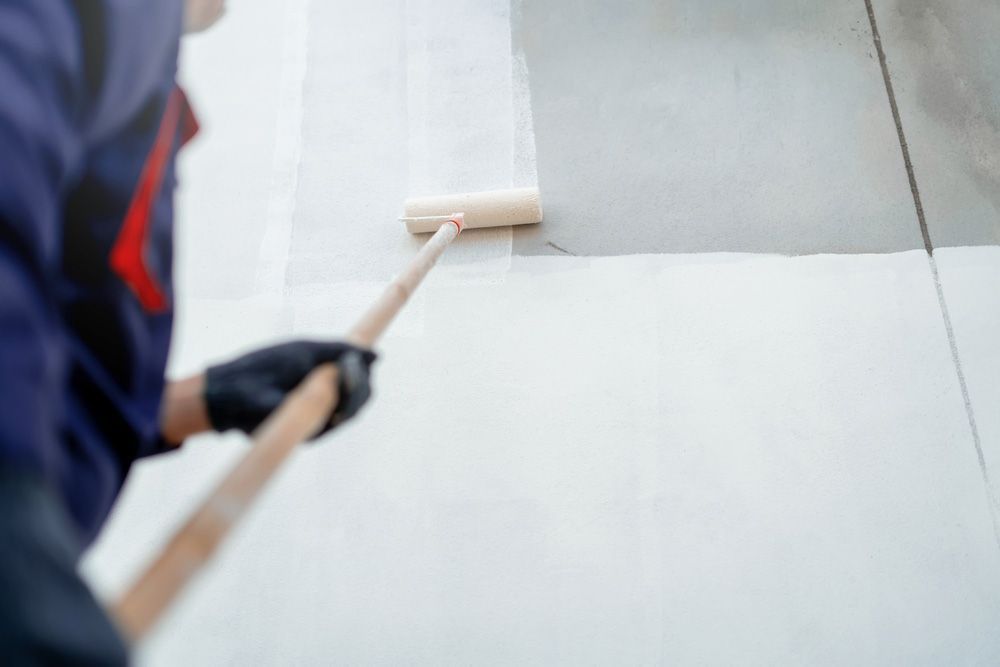
The work involves surface preparation using power washing, grinding, or sandblasting to remove existing coatings and contaminants, followed by primers formulated for metal, concrete, or masonry substrates. Finish coats include epoxies, urethanes, or high-build acrylics selected for chemical resistance, abrasion tolerance, or UV stability depending on the environment. You receive coatings that bond to substrates under conditions that would cause standard paints to fail.
If your facility needs protective coatings that withstand industrial conditions, discuss substrate types, environmental exposures, and downtime windows with the team.
Industrial Coating Systems Built for Longevity
You need coatings engineered for environments where moisture, oils, solvents, or mechanical wear occur daily. Key Team Painting applies multi-layer systems that include rust inhibitors on metal, moisture barriers on concrete, and topcoats rated for specific chemical classes. Surface prep removes mill scale, old paint, and oxidation so new coatings achieve proper adhesion and perform as rated.
After completion, you'll see floors with uniform color and texture that improve light reflection and simplify cleaning, structural steel protected from further corrosion, and safety striping that remains visible under forklift traffic and foot traffic. Equipment anchored to coated floors experiences less vibration transfer, and spills wipe clean without staining the substrate.
Project duration depends on square footage, required dry times between coats, and whether production must pause entirely or can continue in sections. This service does not include structural steel repair, concrete crack injection, or environmental remediation of existing contaminants.
Practical Answers for Industrial Painting Projects
Industrial coatings involve material selection and surface preparation that differ significantly from standard interior painting, and these choices directly affect coating lifespan and compliance.
What makes industrial coatings different from commercial paints?
They contain higher solids content, cure through chemical reactions rather than evaporation, and include additives that resist chemicals, abrasion, and extreme temperatures beyond what architectural paints can handle.
How is rusted steel prepared before recoating?
Rust is removed using wire brushing, grinding, or abrasive blasting, then treated with a rust-converting primer or zinc-rich coating that prevents oxidation from resuming beneath the finish layer.
When should you apply epoxy versus urethane floor coatings?
Epoxy offers superior adhesion and chemical resistance for areas with oil or solvent exposure, while urethane topcoats add UV stability and flexibility for spaces with temperature shifts or direct sunlight in Litchfield facilities.
Why do some projects require ventilation or respiratory protection?
Certain industrial coatings release isocyanates or volatile compounds during application and curing, requiring exhaust fans, fresh air supply, or respirators to keep airborne concentrations within safe limits.
How long before coated floors can bear equipment loads?
Most epoxy systems reach handling strength in 24 to 48 hours, but full cure and maximum chemical resistance develop over seven days, so heavy machinery should remain off treated areas during that period.
For facilities that need coatings meeting specific performance standards or regulatory markings, reach out to Key Team Painting to review substrate conditions, environmental factors, and application schedules that work within your production calendar.